Micro-Interactions' Significance in Enhancing User Experience
The top priority of user experience design is to create an engaging and seamless experience for users since this world is ever-changing. Micro-interactions are one crucial part of this phenomenon; they are small but strong components that can significantly improve the quality of the general user’s journey. The shape that micro-interactions take does have a big impact on how people use digital products through better usability, emotional satisfaction, and an intuitive process. Let's dive deeper to see what micro-interactions are, their significance, and how they promote user engagement.
- Published On: November 15, 2024
Share

Table of Content
- Micro-Interactions' Significance in Enhancing User Experience
- Why Do Micro-Interactions Matter in User Experience Design?
- How do micro-interactions enhance user engagement?
- The Role of Micro-Interactions in UX Design
- Embellishing with Cute Bits
- Boosting User involvement
- Achieving Balance between Simplicity and Complexity
- Micro-Interactions Examples
- Conclusion
Micro-Interactions' Significance in Enhancing User Experience
The top priority of user experience design is to create an engaging and seamless experience for users since this world is ever-changing. Micro-interactions are one crucial part of this phenomenon; they are small but strong components that can significantly improve the quality of the general user’s journey. The shape that micro-interactions take does have a big impact on how people use digital products through better usability, emotional satisfaction, and an intuitive process. Let’s dive deeper to see what micro-interactions are, their significance, and how they promote user engagement.
Why Do Micro-Interactions Matter in User Experience Design?
Micro-interactions refer to small, focused interactions on the website that allow users to complete certain tasks while providing real-time feedback on these operations. When you click a button or turn on/off a switch, for example, you perform micro-interactions as well as get notifications or see animations when something happens. Even though they seem insignificant, micro-interactions make user interfaces more comprehensible and enjoyable to work with, among other things.
This is because UX design relies heavily upon micro-interactions, which can enhance usability and provide instant feedback to users. These little details often help the users know how to interact with the system as well as make them feel more confident about their actions, thus reducing friction when navigating the interface. They help in creating an intuitive and natural interaction between man’s mind and machine.
How do micro-interactions enhance user engagement?
Micro-interactions help make interfaces more human-like and attractive; thus, user engagement is increased. Often they act as touchpoints that give satisfaction to the customers, making them hold on to the products for a longer duration. The user feels in control and satisfied when he/she receives a primary response through these interactions.
For example, the “like” button on social media platforms works as an animation; there is also a progress indicator during file upload while there are vibrations produced during setting toggling on mobile phones; all these contribute towards making one feel attached to the product. User engagement is enhanced by this type of engagement because it feels alive, vibrant, and responsive, meeting specific needs at any given time.
The Role of Micro-Interactions in UX Design
Improving Usability

Micro-interactions play a crucial role in enhancing sociability, by doing this they eliminate the need for additional instructions allowing users to comprehend the outcome of their actions. For instance, when filling out online forms, when an email address is entered correctly, a small green check mark will appear immediately, giving instant feedback that the user has accomplished the task. On account of this, micro-interactions reduce the learning curve while offering navigation assistance, thereby helping users accomplish tasks seamlessly.
Influencing User Behavior

Interaction design is at the core of all this, driving users to undertake specific actions through various micromovements in a dynamic way that impacts user activity. Additionally, designers use micro-interactions, such as suggestions or directions, to lead users through a series of processes.
For instance, a lot of onboarding courses use animation to show new customers how to use specific features, giving them more confidence and decreasing their reluctance to interact with the product right away.
Embellishing with Cute Bits

Micro-interactions serve a purpose besides function; they also enhance the user experience delightfully. These enchanting moments, such as the gentle animation when unlocking smartphones or the ripple effect when touching a button, add a dose of fun and surprise to what would have otherwise been monotonous interaction. Although these moments are minor, they provide an emotional link between the consumer and the product, which in turn leads to positive regard for that particular brand.
Boosting User involvement

Micro-interactions not only enhance usability but can also be used as an effective means of spurring online user activity. The feedback that comes along with products that are handled by customers at times further pushes them into delving deeper into their features. For example, using apps with visible achievement badges or animated rewards keeps users coming back for more and engaging further with them. Such interactions subscribe to psychological factors regarding the motivations tied up in incentives and accomplishments, thus releasing dopamine and hence making it easier for customers to spend longer periods on such networks.
Achieving Balance between Simplicity and Complexity
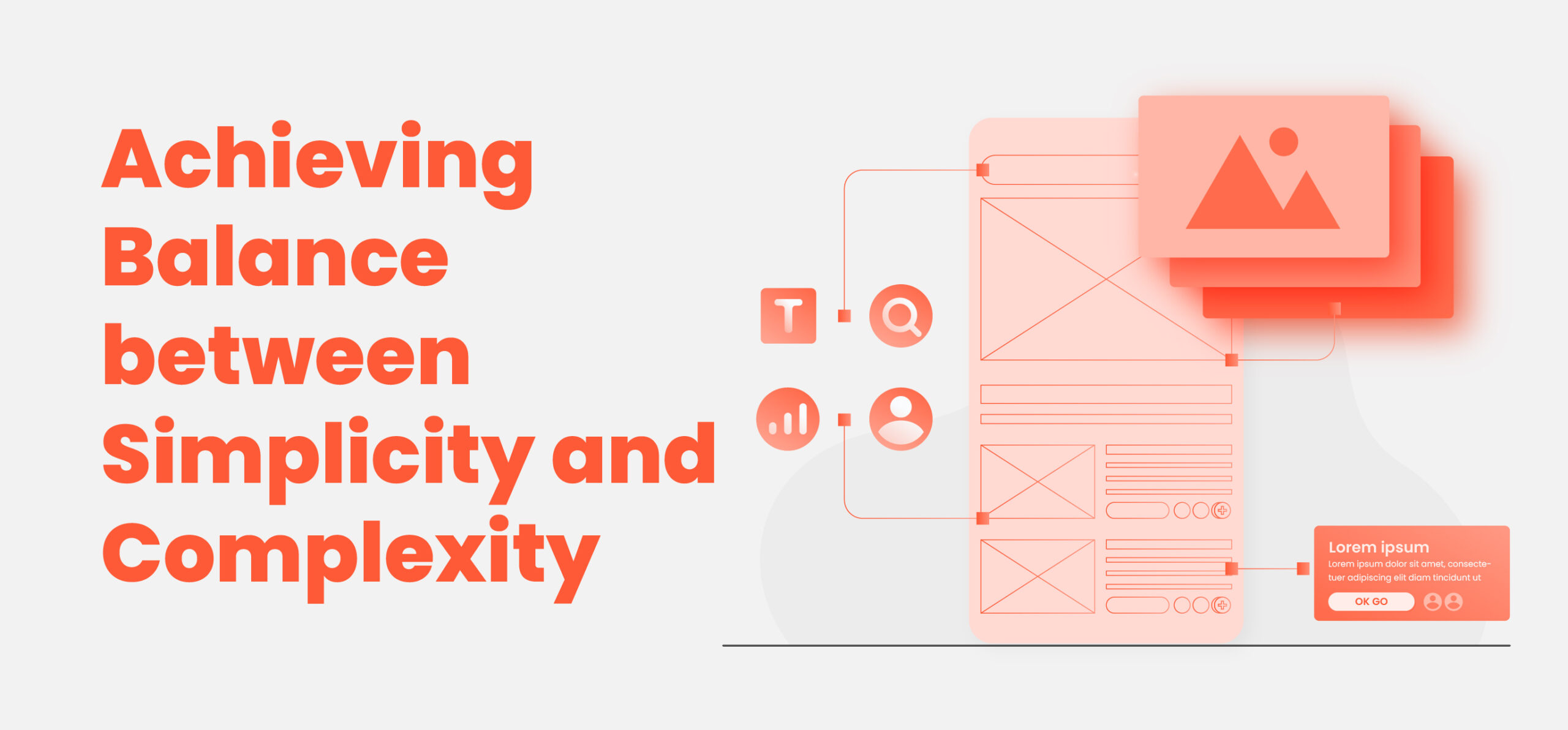
Micro-interactions are utilized in achieving a harmonious coexistence of simplicity with complexity in UI/UX emerging trends. A sleek and minimalist modern interface is the goal; even though it does so, micro-interactions introduce little complexity that does not burden the user too much. They enable designers to camouflage the intricacy of a system through simple actions, giving rise to advanced functionalities on demand. For instance, a drop-down menu may be concealed until a specific area is hovered over by a cursor or mouse pointer so that the interface looks clean but still possesses real depth.
Micro-Interactions Examples
There are countless micro-interactions that can be seen every day on different platforms and apps. Here are some examples:
- The Use of Like Button Animation: Facebook, Instagram, and other social media platforms animate when users “like” a post. The heart-shaped figure or thumbs-up icon increases momentarily in size, thus providing quick feedback while giving a sense of exhilaration.
- Typing Indicator: WhatsApp, iMessage, and other messaging apps utilize a typing indicator whenever someone else types. This tiny interaction keeps people busy and ensures that a reply will come.
- Progress Bar: During file uploads and task completion, progress bars give real-time responses indicating how far along those actions are finished or how much time is remaining for them. Therefore, it minimizes ambiguity and keeps users up to date with the total duration of the task at hand
- Password Strength Indicator: Most of the sign-up forms show the strength of the password chosen by the users, over whether that password is strong enough or not. This real-time feedback assists in directing user actions and increases security as it urges users to utilize stronger passwords.
Conclusion
Micro-interactions are small yet essential components of interaction design that greatly contribute to enhancing the user experience. They make interfaces feel more responsive and human by improving usability, guiding behavior, adding fun elements, and encouraging interaction. They also help strike a balance between simplicity and complexity, making advanced functionality easily accessible without confusing or intimidating the user. Integrating well-designed micro-interactions as part of UX best practices can lead to a more intuitive and enjoyable user journey, ultimately improving satisfaction rates and long-term engagement. Even as UI/UX trends continue to evolve, micro-interactions will remain key in creating meaningful and enjoyable digital experiences for designers.
Get the best guidance on creating impeccable websites and mobile applications that convert visitors into leads. Contact us at [email protected].
Featured Blogs
Insights, trends, and thought leadership from our team of digital mavens.

Enterprise Web Architecture: Building for Scale, Security....
In today’s digital world, your website is more than just a brand....
How to Redesign a Website Without Losing....
Redesigning your website is a powerful way to refresh your brand, improve....
How to Ensure Quality Web Development Across....
Ever feel like your website project is stuck in a never-ending loop—lots....